
Recovery periods between training sessions are essential if you want to maximize performance – whether you're training for a marathon or staying fit as you age. Without proper recovery, you won’t see the results you’re working toward, and you may even experience symptoms of overtraining.


Each workout challenges your body. You engage your muscles, deplete energy stores, and put stress on your immune system. During high-intensity competitions like marathons or Ironman events, you push your body to its absolute limits. But it's during rest periods that your muscles grow and your endurance builds. By understanding how to optimize your recovery, you’ll not only reach your goals more effectively—you’ll also reduce the risk of injuries and strengthen your immune system.
Why does recovery matter so much for training? Exercise pushes your body beyond its usual limits. Your muscles develop microscopic tears, your cellular energy stores deplete, and metabolic products like lactate acidify your muscles. This strain fatigues your body and reduces your performance capacity.
Only during the recovery phase does your body have the opportunity to restore itself. Through training, your body learns to handle new challenges. After recovery, it can increase and improve its performance accordingly. This increasing adaptation to stress is called supercompensation. Only through proper rest periods between training sessions can you become stronger, more enduring, and more flexible.
If you skip recovery, you risk the opposite of progress. Instead of building endurance, you’ll feel drained. Intense training without rest also increases injury risk and weakens immune defenses. Pushing too hard too soon can backfire—leading to overtraining and setbacks.
This is especially true for those with ambitious goals, like marathon training, who may sacrifice rest to meet high demands. But even people who exercise infrequently, or those returning to fitness later in life can easily experience overtraining symptoms without proper recovery.
There’s no one-size-fits-all answer to how much recovery you need after a workout. Your ideal rest period depends on several factors. Older people generally require more recovery time than younger ones. Your fitness level also plays a role: well-trained athletes typically bounce back faster than beginners–their bodies have adapted to handle stress more efficiently.
The intensity and type of exercise matter just as much. After a brisk walk, your body hardly needs recovery, while high-intensity interval training or a day of heavy strength training may demand 48-72 hours of recovery time. After extreme efforts like a marathon, full recovery may take up to 7 days.
For orientation, you can use these guidelines:
Your body sends clear signals about whether it's ready for new challenges. Watch for these signs of full recovery:
A good rule of thumb for recreational athletes is 2–3 rest days per week. These don't necessarily have to be completely inactive – light movement can actually promote recovery.
Pay attention to your body and adjust your training rhythm accordingly. Over time, you’ll develop a sharper sense of when you’re ready for your next workout—and when you need more rest.
For a truly personalized recovery plan, for your personal needs and training goals, professional consultation can be invaluable. Experienced sports physicians and training experts can provide tailored recommendations through individual analyses of your body and training plans that go far beyond general guidelines. For professional athletes, personal training is part of daily life, but also ambitious recreational athletes and people with special health requirements can benefit from it.
How you recover after training impacts both the speed and quality of your progress. The right strategies help you come back stronger.
Sports scientists distinguish between active and passive recovery methods:
Active recovery includes all measures where you perform light movements. A 10-minute easy cool-down after intense training already initiates recovery and can prevent muscle soreness. On training-free days, relaxed activities like walking, easy cycling, or light swimming are ideal. Keep intensity so low that you could comfortably hold a conversation.
Passive recovery includes all methods where you submit to external influences that promote your recovery. These include sauna sessions, baths, massages, or specialized treatments like red light or cryotherapy. These procedures can stimulate blood circulation, regulate inflammatory processes, and support tissue regeneration.
For best results, combine both active and passive recovery techniques.
What you eat and drink after exercise can significantly influence your recovery. After training, your body needs enough fluids and nutrients to replenish energy stores and initiate repair processes.
Immediately after training, you should consume at least 0.5 to 1 liter of fluid. A juice spritzer is excellent for balancing both fluid and mineral losses.
For replenishing energy stores and building muscle, a combination of proteins and carbohydrates is ideal. It can be helpful to consume a protein-rich meal within 30 minutes after training. A balanced main meal should follow about two hours later. Of course, sugar- and fat-laden junk food and highly processed foods are not particularly helpful and are not recommended even after exercise.
Healthy, sufficient sleep is not only important for your daily health and well-being but also absolutely necessary for recovery after exercise. While you sleep, important repair and building processes take place. 7-9 hours of night rest are considered ideal. After particularly intense training sessions, your body may need even more sleep.
For the best possible sleep quality, you should maintain regular sleep times, avoid screens before bedtime, and abstain from caffeinated beverages in the afternoon and evening. A workout in the evening can provide restful sleep, but there should be at least 2-3 hours between training and bedtime.
Meditation, breathing techniques, and other relaxation techniques, such as progressive muscle relaxation, can support physical recovery. They lower the production of the stress hormone cortisol and promote the release of growth hormones important for repair processes. At the same time, they help relieve mental stress and promote mental relaxation. If you're unsure which relaxation technique is right for you, feel free to try several—everyone is different in this regard.
From a relaxing bath at home to professional, cutting-edge recovery technologies: Various methods can accelerate your recovery phases and help enhance your performance. Plus, they are soothing and enjoyable—even without a prior workout.
Sauna: Sauna sessions stimulate circulation and can help relax muscles. After intense training, you should cool down for at least 15–20 minutes before entering the sauna to avoid circulatory problems. Similar effects can also be achieved with a relaxing bath.
Massages: Targeted massage of stressed muscles can release tension and improve blood circulation. Self-massages with fascia rollers can also help loosen adhesions in tissue and support recovery.
Red light therapy: The application of low-level red and near-infrared light is a particularly innovative recovery method. It can be used both before and after training. As a warm-up before exercise, red light therapy can increase blood flow in the muscles and stimulate the mitochondria in cells, boosting energy production and preparing the body optimally for the upcoming exertion. After exercise, red light therapy can help inhibit inflammation and promote muscle regeneration.
Cryo therapy: Treatment with extreme cold (down to -110°C) under professional guidance can help reduce inflammatory reactions, relieve pain, and shorten recovery time after intense exertion. Athletes often report increased well-being and improved recovery after regular cryotherapy sessions. An ice bath or cold shower after training can also contribute to improved recovery.
Time is an important factor in recovery—you need to make space for it. However, there are ways to use it particularly effectively. Here are some immediate measures for the fastest possible recovery.
Cool-Down: The first 30–60 minutes post exercise are critical. Start with a structured cool-down: 10–15 minutes of light jogging or walking helps clear excess lactate and gently brings down your circulatory system.
Hydration and nutrition: Drink a recovery shake immediately after training with a 3:1 ratio of carbs to protein to rapidly replenish glycogen stores.
Cold therapy: Targeted cooling of overworked muscles can reduce inflammation. After events like marathons, specialized cryotherapy at ultra-low temperatures is particularly beneficial.
Sleep: Sleep quality on the first night after intense exertion cannot be overstated. Avoid alcohol and heavy meals in the evening. A light, protein-rich snack before bed can support overnight recovery processes.
As you age, your body's recovery processes change. Starting around age 40, muscles, tendons, and joints need more time to recuperate. This doesn't mean you need to reduce your training volume – rather, you can use this knowledge to make your recovery phases more restorative and mindful.
Older athletes often need an extra day for complete recovery after the same intensity of exertion compared to younger athletes. While younger athletes may get by with one day of rest between intense training sessions, at an advanced age you should plan for two to three days. How much exactly depends not only on your chronological age but on many factors, such as your general health and training history.
Rather than becoming completely inactive, active recovery days with light movement are often more effective for regeneration and performance improvement. Gentle yoga, swimming, or relaxed walks keep your metabolism active without putting additional stress on your body.
Nutrition also becomes more important with increasing age. Protein requirements increase as the body utilizes amino acids less efficiently. Pay increased attention to protein-rich, healthy food intake after your workout.
50% discount: Your marathon recovery package
Your race-day success hinges on both preparation and recovery. With our current marathon package, we support you in both phases
With our current marathon package, we support you in both phases:
For a limited time, get 50% off our marathon package!
Claim Your Marathon Discount Now
The right balance between training and recovery defines your athletic achievements–regardless of whether you're training for a marathon or want to stay healthy and active for as long as possible. Treat recovery with the same diligence as workouts. Pay attention to your body's signals and continuously adapt your strategies. Ultimately, it's the quality of your recovery that determines how sustainably you can increase your performance while promoting your health.
Pay attention to your body's signals and continuously adapt your strategies. Ultimately, it's the quality of your recovery that determines how sustainably you can increase your performance while promoting your health.
Curious to know more about the science of longevity and our innovative approach to a long and healthy life? You have come to the right spot.
More than 1,500 clients, CHF 2.7 million in revenue and a clear growth strategy: how Zurich-based AYUN is advancing personalised preventive medicine, and why private investors can now take a stake.
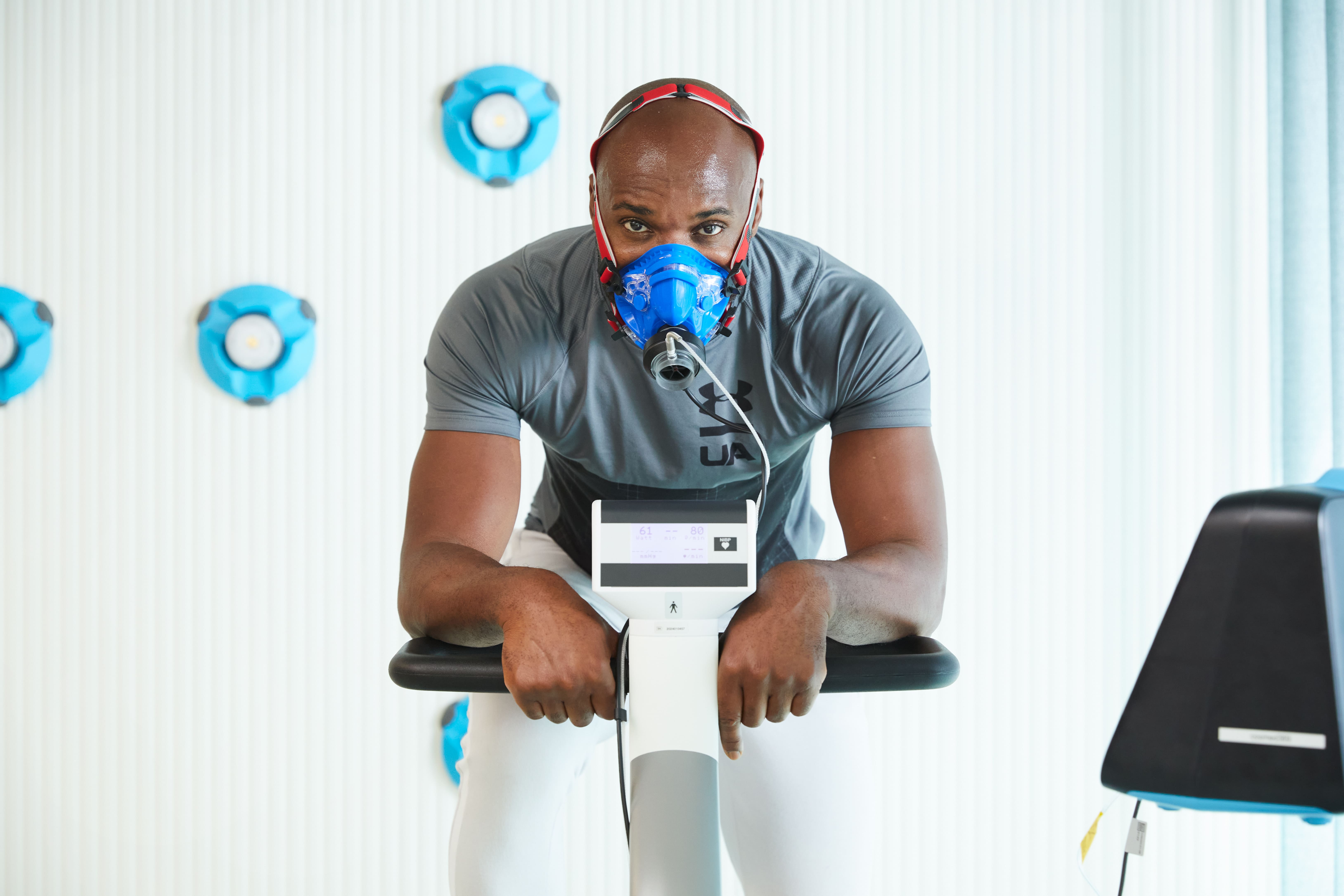
In this article, we’ll take you step by step through the Extended Longevity Check-up at AYUN. You’ll discover how we assess your health through precise measurements and comprehensive analyses, and how these insights translate into personalised recommendations for a longer, healthier life.
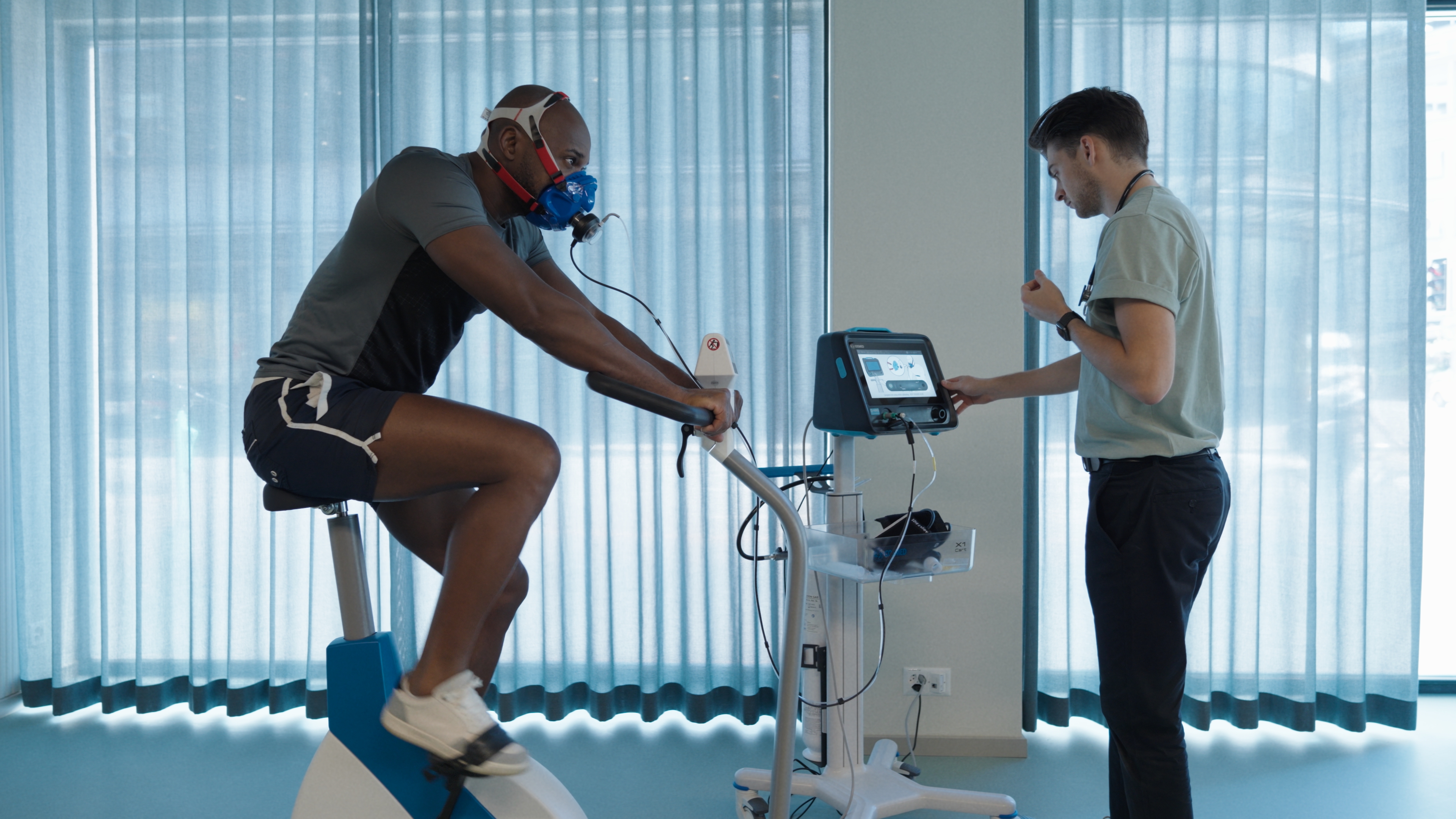
In this article, we’ll take you step by step through the Complete Longevity Check-up at AYUN. You’ll discover how we assess your health through precise measurements and comprehensive analyses, and how these insights translate into personalised recommendations for a longer, healthier life.




.svg)

