

Just one hour less sleep can disrupt our biorhythm. This becomes especially clear during the annual shift from standard time to daylight saving time, which is coming up again on March 30 this year. But how do you know if you have a sleep debt? What are the risks, and what can you do to compensate?



As spring arrives, bringing warmer weather and more sunlight, there’s still that one challenging day: the transition from standard time to daylight saving time, when clocks move forward by an hour—suddenly leaving everyone short on sleep. Recent sleep research has shown that this sleep deprivation affects us more than we might think. Researchers measured a 6% increase in fatal traffic accidents in the week following the switch to daylight saving time. Even short-term sleep debts can negatively affect our attention, reaction times, and general feeling of alertness. [1]
But it usually doesn't stop at just one hour per year. Work stress, family responsibilities, excessive screen time, and irregular schedules contribute to a chronic lack of sleep. This is problematic because sleep is by no means wasted time, but a vital process during which body and mind regenerate. Chronic sleep debt can lead to both short-term and long-term health consequences.
Sleep debt occurs when you get less sleep than your body actually needs. It's the difference between your individual sleep requirement and the sleep you actually get. Most adults need between 7 and 9 hours of sleep per night. However, the majority of Swiss people sleep only 7 hours or less. [2]
What’s often underestimated is that sleep debt adds up over time. If you miss just 30 minutes of sleep per night, you’ll accumulate a 3.5-hour debt in just one week—equivalent to half a night’s rest. Recovering from even a single hour of lost sleep may take multiple nights of sufficient rest.
Sleep debts fall into two categories:
Acute sleep debt: Results from occasional nights of insufficient sleep, such as after the daylight saving time shift.
Chronic sleep debt: Develops when you consistently sleep too little over weeks or months. This can be particularly problematic because those with chronic sleep deprivation may adapt to feeling tired, no longer recognizing their own fatigue—even though tests reveal slower reaction times and impaired cognitive function. Many people underestimate their sleep debt and take little action to correct it.
Even just one hour of lack of sleep can noticeably affect your physical and mental performance. So how can you tell if you have a sleep debt? It’s simple: Pay attention to the signals your body sends throughout the day.
Adults typically respond to sleep deprivation with tiredness and drowsiness, while children often become more active and impulsive.
Physical symptoms of sleep debt
Mental & Cognitive symptoms of sleep debt
Emotional & Behavioral Changes
One of the most alarming symptoms is microsleep—brief, involuntary episodes where your body shuts down for seconds, no matter what you’re doing. This is especially dangerous while driving. If you notice your eyes closing on their own, take a break immediately—your body is demanding rest.
In the short term, sleep deprivation leads to significantly reduced performance. Your reaction time increases, judgment suffers, and error rates rise. The effects can even resemble alcohol intoxication.
Sleep is by no means wasted time – vital regeneration processes take place that are essential for physical and mental health. Those who neglect their sleep over a longer period thus risk long-lasting health damage.
Here’s the tricky part: Chronic sleep deprivation can make your body feel adapted to exhaustion. You might not notice fatigue, but objective tests reveal slower thinking, poorer memory, and reduced alertness. This mismatch between perception and reality is why many people underestimate their sleep debt—and fail to take action.
Researchers have also demonstrated that chronic sleep debt can lead to a shortened life expectancy. The impacts are so severe that the World Health Organization (WHO) now considers sleep debt a serious risk factor for public health. [3] [4]
Recovering from sleep deprivation takes time and consistency, but with the right approach, you can tackle both planned and existing sleep debts effectively. The key? Prioritizing healthy sleep habits that work for your lifestyle.
For foreseeable situations, such as the annual time change or air travel to different time zones, you can act proactively:
There’s no quick lack of sleep treatment—it takes about 4 nights of quality rest to recover from just 1 hour of sleep debt. Here’s how to do it right:
A study from the University of Colorado in Boulder shows that "catching up on sleep on weekends" can be problematic. Shifting sleep schedules stresses the body, disrupting blood sugar control and potentially increasing risks for diabetes and weight gain. [5]
Short naps can partially offset acute sleep loss if timed well:
Research shows a clear connection between adequate sleep and physical regeneration:
The most important thing in recovering from a sleep debt is patience. A sleep debt built up over weeks or months cannot be balanced in one night. Consistent, long-term adjustments to your sleep behavior lead to success – and allow you to return to full performance and well-being.
Optimize your recovery and regeneration at AYUN
At AYUN, we know how essential good sleep and effective regeneration are for your health and performance. Our Longevity Check-ups provide insights into your overall well-being, including how sleep debt may be affecting you. Schedule your free info call now and learn how we can support you in your personal health optimization.
A well-rested body and mind are the foundation of a healthy, active, and long life. Chronic sleep deprivation, however, can weaken immunity, impair cognition, and increase health risks. There’s no shortcut to fixing sleep debt—just steady, smart habits. If sleep issues persist, it's advisable to seek professional medical advice.

[1] Fritz, J., VoPham, T., Wright, K. P., & Vetter, C. (2020). A chronobiological evaluation of the acute effects of daylight saving time on traffic accident risk. Current Biology, 30(4), 729-735.e2. https://doi.org/10.1016/j.cub.2019.12.045
[2] Erste nationale Schlafstudie der Schweiz. (2022, October 4). BICO. https://bico.ch/schlafstudie/
[3] Chattu, V. K., Manzar, Md. D., Kumary, S., Burman, D., Spence, D. W., & Pandi-Perumal, S. R. (2018). The global problem of insufficient sleep and its serious public health implications. Healthcare, 7(1). https://doi.org/10.3390/healthcare7010001
[4] Getting good sleep could add years to your life. (n.d.). ScienceDaily. Retrieved April 15, 2025, from https://www.sciencedaily.com/releases/2023/02/230224135111.htm
[5] Depner, C. M., Melanson, E. L., Eckel, R. H., Snell-Bergeon, J. K., Perreault, L., Bergman, B. C., Higgins, J. A., Guerin, M. K., Stothard, E. R., Morton, S. J., & Wright, K. P. (2019). Ad libitum Weekend Recovery Sleep Fails to Prevent Metabolic Dysregulation during a Repeating Pattern of Insufficient Sleep and Weekend Recovery Sleep. Current Biology, 29(6), 957-967.e4. https://doi.org/10.1016/j.cub.2019.01.069
Curious to know more about the science of longevity and our innovative approach to a long and healthy life? You have come to the right spot.

More than 1,500 clients, CHF 2.7 million in revenue and a clear growth strategy: how Zurich-based AYUN is advancing personalised preventive medicine, and why private investors can now take a stake.
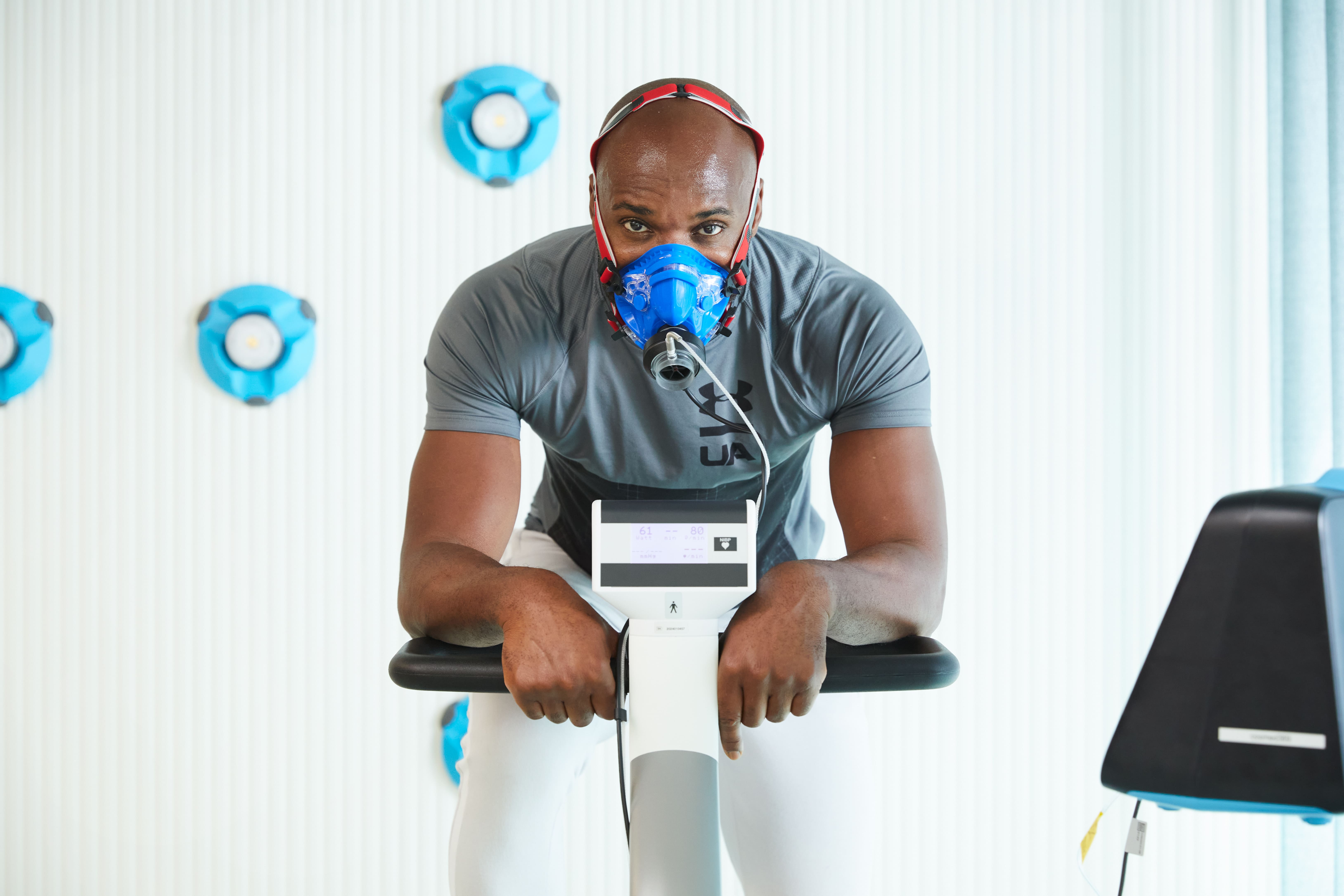
In this article, we’ll take you step by step through the Extended Longevity Check-up at AYUN. You’ll discover how we assess your health through precise measurements and comprehensive analyses, and how these insights translate into personalised recommendations for a longer, healthier life.
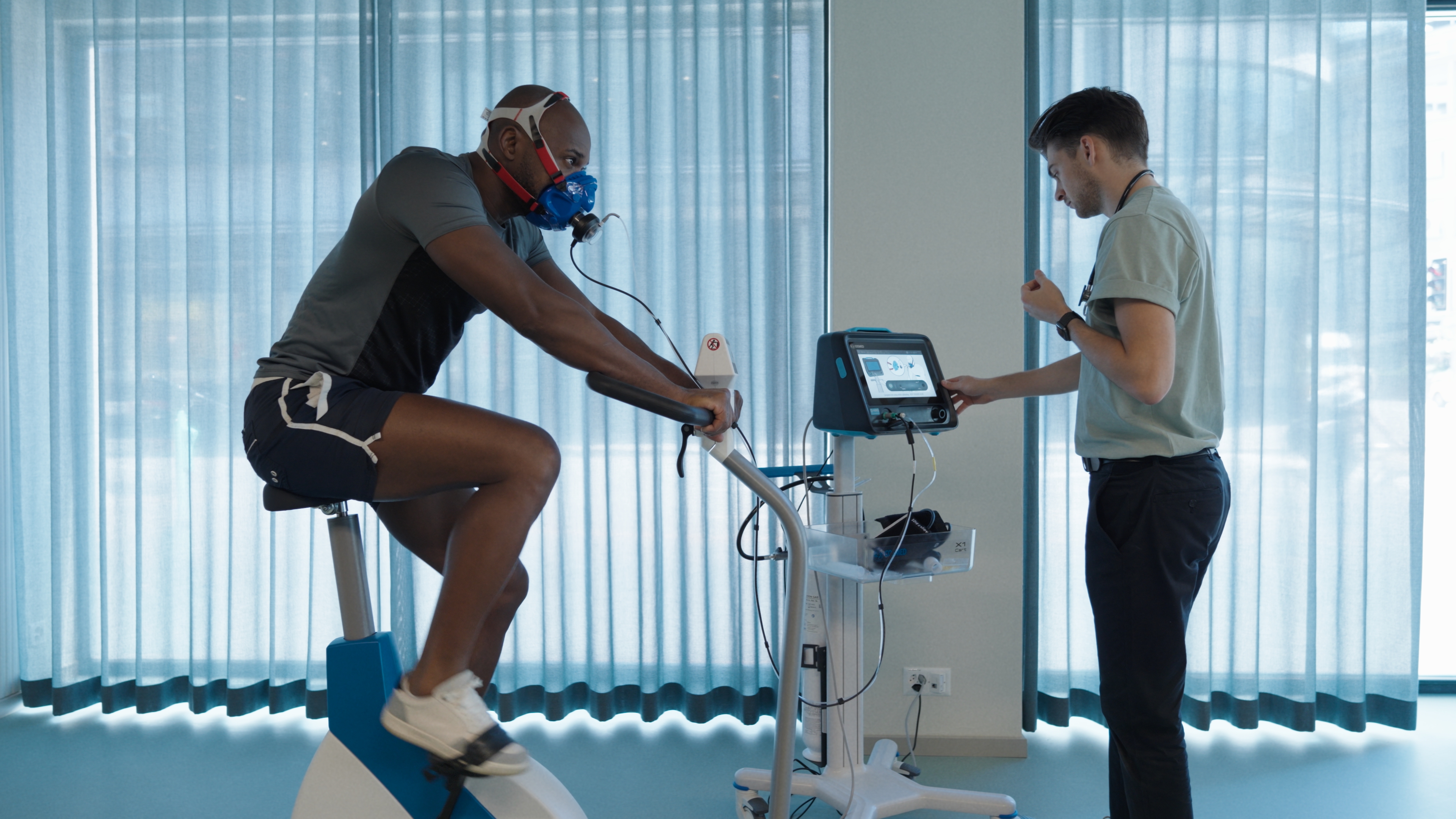
In this article, we’ll take you step by step through the Complete Longevity Check-up at AYUN. You’ll discover how we assess your health through precise measurements and comprehensive analyses, and how these insights translate into personalised recommendations for a longer, healthier life.




.svg)

