
.jpg)
Many women experience cramps when their period begins. A pulling sensation in the lower abdomen, pressure in the pelvis, or pain that radiates into the lower back can occur during menstruation.For some women this discomfort lasts only a few hours. For others it can continue for several days and may even interfere with work, exercise, or sleep.This raises an important question many women ask themselves:Are painful periods normal?



Many women experience cramps when their period begins. A pulling sensation in the lower abdomen, pressure in the pelvis, or pain that radiates into the lower back can occur during menstruation.
For some women this discomfort lasts only a few hours. For others it can continue for several days and may even interfere with work, exercise, or sleep.
This raises an important question many women ask themselves:
Are painful periods normal?
Mild menstrual discomfort can be common. However, severe period pain or extreme cramps that disrupt daily life are not always considered normal and may indicate an underlying medical condition.
One of the most common causes is endometriosis.
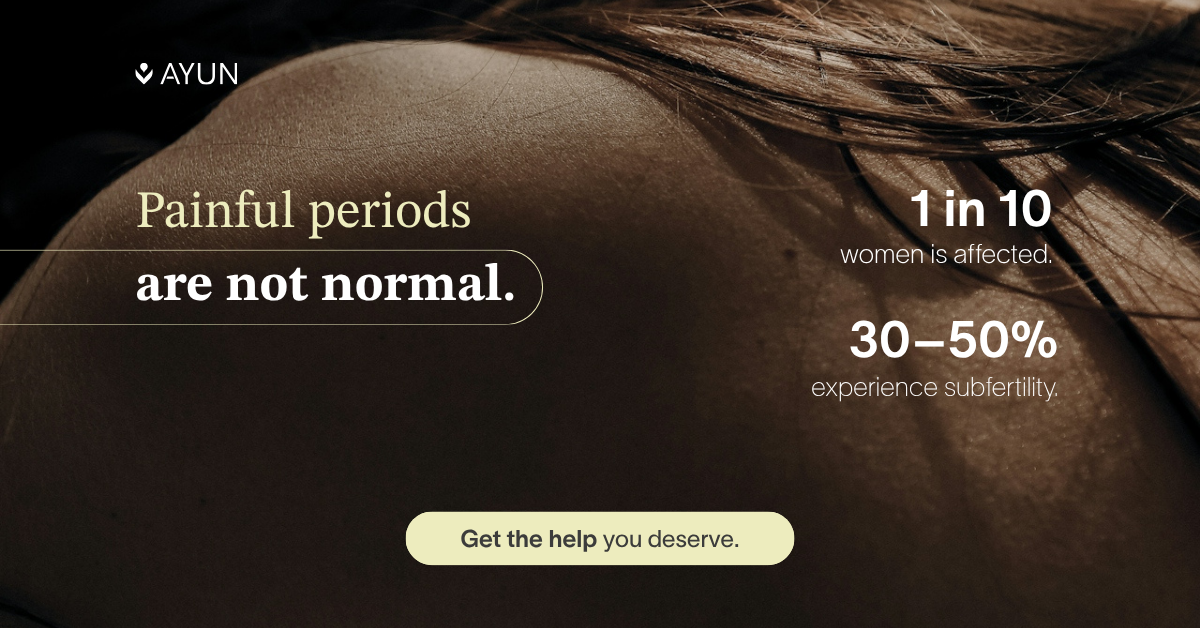
Endometriosis affects approximately 1 in 10 women of reproductive age worldwide, making it one of the most prevalent gynecological diseases. Despite this, it often takes 7 to 10 years between the first symptoms and a diagnosis, as menstrual pain is frequently normalized or attributed to other causes.¹
Many women experience some level of cramping during menstruation. These cramps are usually caused by uterine contractions triggered by substances called prostaglandins, which help the uterus shed its lining.²
However, doctors generally recommend medical evaluation when period pain:
Women in this situation often search for answers to questions such as:
These questions are important because severe menstrual pain can sometimes be one of the earliest signs of endometriosis.
Endometriosis occurs when tissue similar to the lining of the uterus grows outside the uterus.
These lesions can develop on:
Because this tissue responds to hormonal changes during the menstrual cycle, it can cause inflammation, scarring, and pain.³
Some of the most common signs of endometriosis include:
Symptoms can vary widely between individuals, which is one reason the disease often goes unrecognized for many years.
Research shows that the average delay in diagnosis is between 7 and 10 years.¹
Several factors contribute to this delay.
First, menstrual pain is often normalized. Many women are told that painful periods are simply part of the menstrual cycle.
Second, the severity of symptoms does not always match the visible extent of the disease. Some women experience severe pain with small lesions, while others have more extensive endometriosis with fewer symptoms.
Third, a definitive diagnosis typically requires laparoscopy, a minimally invasive surgical procedure used to identify endometriosis lesions.
As a result, many women spend years trying to understand the cause of their symptoms.
Another common misconception is that endometriosis causes pain only during menstruation.
In reality, many women experience pelvic pain during the cycle, including:
These symptoms may occur because endometriotic tissue responds to hormonal changes throughout the menstrual cycle.³
Pain associated with endometriosis is complex and influenced by several biological mechanisms.
Endometriosis lesions can trigger chronic inflammatory reactions in the pelvic cavity. Inflammatory mediators play a major role in generating pain.³
Endometriosis is considered an estrogen-dependent disease, meaning estrogen can promote lesion growth and inflammatory activity.³
Chronic pelvic pain may also lead to central sensitization, a condition in which the nervous system becomes more sensitive to pain signals.⁴
These processes together help explain why some women experience extreme cramps, persistent pelvic pain, and symptoms throughout the cycle.
Many women initially try common strategies such as:
These treatments can help manage symptoms but do not always address the underlying biological mechanisms.
Medical management may involve a multidisciplinary approach, which can include:
Treatment decisions should always be guided by medical professionals and tailored to the individual patient.
Many women report that their symptoms were treated separately for years – for example pain, digestive symptoms, fatigue, or hormonal changes.
However, research shows that endometriosis can affect multiple biological systems, including hormonal regulation, immune activity, and the nervous system.³
The Endometriosis Management Programme at AYUN follows this concept by analyzing hormonal, inflammatory, and metabolic factors together in order to develop individualized management strategies.
Medical evaluation is recommended if:
These symptoms may indicate conditions such as endometriosis and should be assessed by a healthcare professional.
Many women grow up believing that severe menstrual pain is simply part of life.
But extreme cramps are not always normal. In some cases they may signal inflammatory or hormonal processes that require medical attention.
Understanding the cause of symptoms is the first step toward improving quality of life and protecting long-term reproductive health.
Are painful periods normal?
Mild menstrual cramps can be common, but severe period pain that interferes with daily life is not always considered normal and may indicate an underlying condition such as endometriosis.
What causes extreme period cramps?
Extreme cramps may be linked to elevated prostaglandins, endometriosis, uterine conditions, or other gynecological disorders.
Can ovulation cause pain on one side?
Yes. Some women experience ovulation pain left side or right side, which can occur when the ovary releases an egg.
Is bloating during ovulation normal?
Hormonal changes during ovulation can cause temporary bloating. Persistent bloating together with pelvic pain should be evaluated medically.
What are early signs of endometriosis?
Common signs include severe period pain, pelvic pain during the cycle, painful ovulation, fatigue, and digestive symptoms.
1 World Health Organization. Endometriosis Fact Sheet
https://www.who.int/news-room/fact-sheets/detail/endometriosis
2 Even better maybe: https://www.liebertpub.com/doi/10.1177/15409996251380129?utm_source=chatgpt.com
3 McCallion A, Sisnett DJ, Zutautas KB, Hayati D, Spiess KG, Aleksieva S, et al. Endometriosis through an immunological lens: a pathophysiology based in immune dysregulation. Explor Immunol. 2022 https://www.explorationpub.com/Journals/ei/Article/100362
4 Zheng P, Zhang W, Leng J, Lang J. Research on central sensitization of endometriosis-associated pain: a systematic review of the literature. J Pain Res. 2019 https://pmc.ncbi.nlm.nih.gov/articles/PMC6514255/
5 Morotti M. et al. Peripheral, Central, and Cross Sensitization in Endometriosis-Associated Pain. Frontiers in Reproductive Health. https://www.frontiersin.org/articles/10.3389/frph.2021.729642/full
Curious to know more about the science of longevity and our innovative approach to a long and healthy life? You have come to the right spot.

More than 1,500 clients, CHF 2.7 million in revenue and a clear growth strategy: how Zurich-based AYUN is advancing personalised preventive medicine, and why private investors can now take a stake.
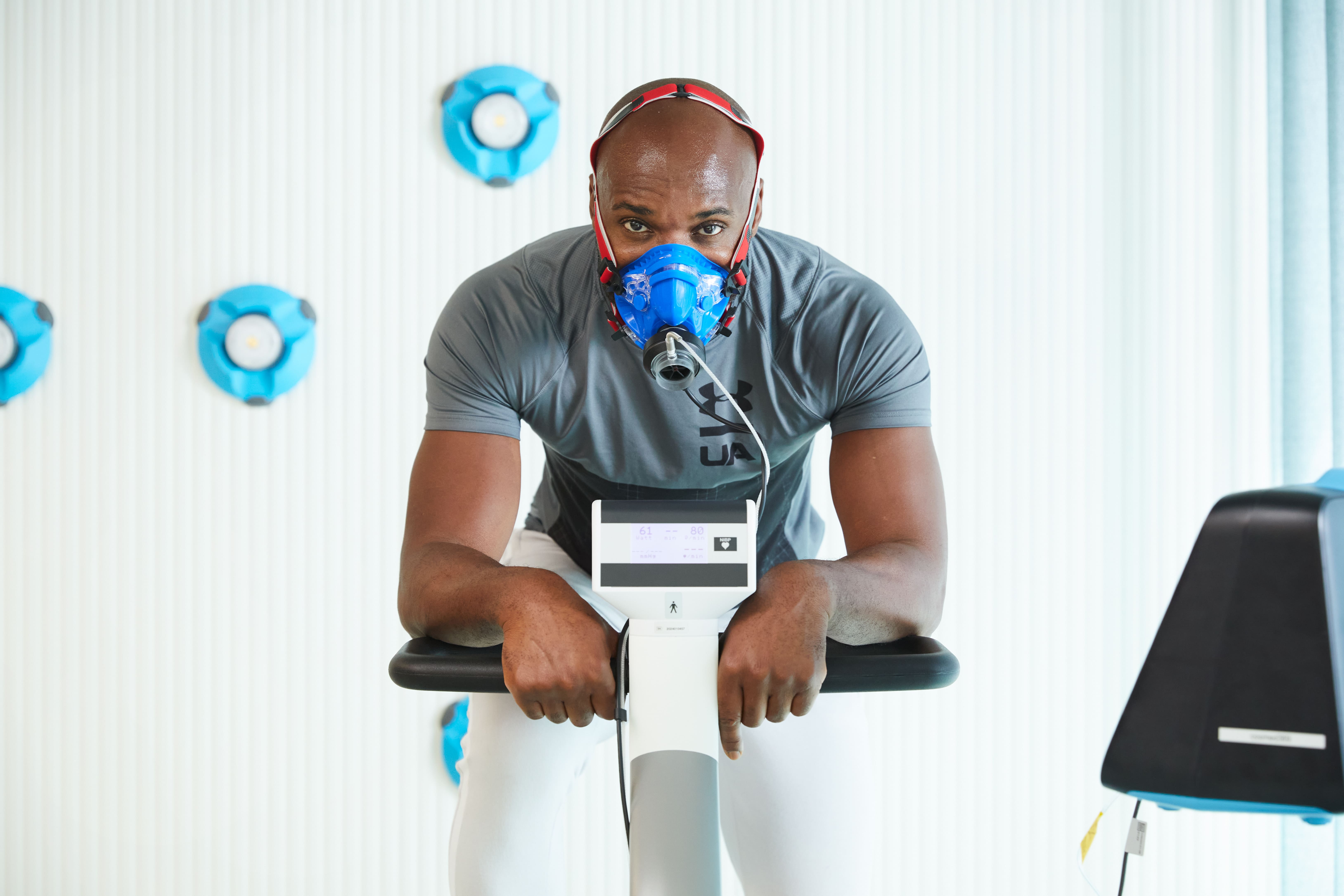
In this article, we’ll take you step by step through the Extended Longevity Check-up at AYUN. You’ll discover how we assess your health through precise measurements and comprehensive analyses, and how these insights translate into personalised recommendations for a longer, healthier life.
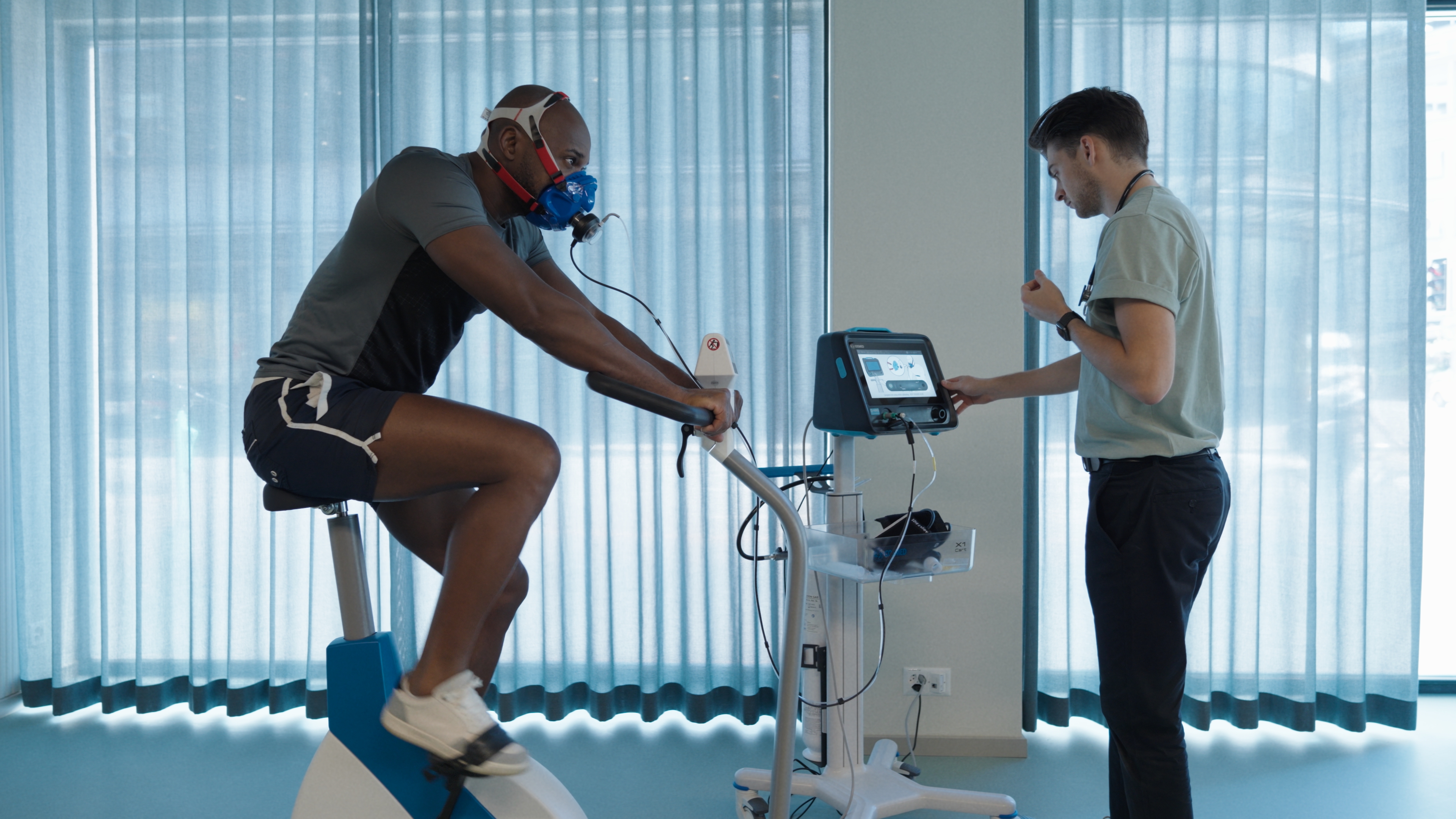
In this article, we’ll take you step by step through the Complete Longevity Check-up at AYUN. You’ll discover how we assess your health through precise measurements and comprehensive analyses, and how these insights translate into personalised recommendations for a longer, healthier life.




.svg)

