
.jpg)
You are 44 years old. Sharp, organised, high-functioning. But lately you cannot find the word you are looking for mid-sentence. You wake at 3am and lie there for an hour. You are eating the same way you always have, but your waist is changing. Your hair is coming out in the shower. You feel like yourself but not quite yourself. Your GP ran blood work and said everything looks normal.What you may be experiencing are the early signs of perimenopause and they are some of the most commonly searched and least explained symptoms in women’s health. Brain fog, hormonal hair loss, night sweats, weight gain that does not respond to diet: these are not random. They are biological signals, each one pointing to a specific process that is shifting in your body. Understanding what is behind each symptom changes everything about what you can do about it.



These symptoms are not in your head. They are in your biology.
You are 44 years old. Sharp, organised, high-functioning. But lately you cannot find the word you are looking for mid-sentence. You wake at 3am and lie there for an hour. You are eating the same way you always have, but your waist is changing. Your hair is coming out in the shower. You feel like yourself but not quite yourself.
Your GP ran blood work and said everything looks normal.
What you may be experiencing are the early signs of perimenopause and they are some of the most commonly searched and least explained symptoms in women’s health. Brain fog, hormonal hair loss, night sweats, weight gain that does not respond to diet: these are not random. They are biological signals, each one pointing to a specific process that is shifting in your body.
Understanding what is behind each symptom changes everything about what you can do about it.
Oestrogen is not primarily a reproductive hormone. It is a neuroactive steroid that regulates brain metabolism, protects neurons, and modulates neurotransmitter systems, including serotonin, dopamine, and acetylcholine. Research shows that oestrogen receptors are distributed across the hippocampus and prefrontal cortex, the regions governing memory, executive function, and mood, which is why declining oestrogen has such a direct impact on how the brain feels.
When oestrogen fluctuates and eventually declines during perimenopause, the brain’s energy metabolism shifts. Research shows that glucose uptake in key brain regions decreases by 25% during the menopause transition, which directly explains the cognitive symptoms many women describe: difficulty concentrating, word retrieval problems, mental fatigue, and a sense that the brain is simply running slower.
This is not anxiety. It is not early dementia. It is a neurological adaptation to a changing hormonal environment and it is both real and measurable.
What this can mean: Brain fog and low mood that begin in the mid-40s and fluctuate with your cycle are among the earliest and most reliable perimenopause early signs, often appearing years before periods become irregular.
Night sweats are one of the most disruptive perimenopause early signs, and one of the most consequential for long-term health. Oestrogen and progesterone both modulate sleep architecture, progesterone in particular, has a direct sedative effect through its action on GABA receptors in the brain. Studies show that as both hormones decline, slow-wave and REM sleep decrease, nighttime cortisol rises, and the autonomic nervous system shifts toward sympathetic dominance, a state of low-grade biological alertness that makes deep sleep structurally harder to achieve.
Night sweats are the most visible symptom of this shift, triggered by the hypothalamus becoming hypersensitive to small changes in core body temperature as oestrogen falls. But the deeper disruption is the autonomic one: the nervous system is running hotter, and that has downstream consequences for cortisol regulation, immune function, cardiovascular health, and cognitive performance.
Heart rate variability (HRV) is one of the most sensitive measures of this shift. A declining HRV trend in a perimenopausal woman reflects not just poor sleep but a nervous system under sustained load, measurable, trackable, and responsive to the right interventions.
What this can mean: If you are waking consistently between 2 and 4am, experiencing night sweats even without hot flashes during the day, or noticing your resting heart rate has crept upward, these are not random. They are the autonomic signature of the perimenopausal transition.
Hormonal hair loss in menopause is one of the least discussed and most distressing symptoms. It is driven by the shift in the oestrogen-to-androgen ratio as oestrogen falls: androgens become relatively dominant, which in genetically susceptible women activates miniaturisation of hair follicles. Decreases in hair density and diameter occur during the perimenopausal transition, with oestrogen decline accelerating female pattern hair loss by reducing the anagen (growth) phase of the hair cycle.
Thyroid dysfunction, which becomes more common in perimenopausal women, is a frequently missed co-driver of hair loss in menopause. So is iron deficiency: ferritin below 70 μg/L is associated with hair shedding even in women who are not clinically anaemic, and addressing ferritin, thyroid function, and hormonal balance together produces significantly better outcomes than treating any single factor alone.
What this can mean: Hair loss in perimenopause is rarely caused by one thing. It is usually the intersection of hormonal shift, iron depletion, and thyroid function, all measurable, all addressable, none of which will show up as ‘abnormal’ on a standard blood panel.
Menopause weight gain is not simply about eating more or moving less. Oestrogen plays a direct role in insulin sensitivity, fat distribution, and metabolic rate. As it declines, fat storage shifts from peripheral (hips, thighs) to visceral (abdomen), the metabolically active fat that drives inflammation, insulin resistance, and cardiovascular risk. This is why the same diet and exercise habits that worked at 35 may produce completely different results at 46.
Muscle mass also becomes harder to maintain. Oestrogen supports muscle protein synthesis, and its decline accelerates the loss of lean tissue. Since muscle is the primary site of glucose disposal, research shows this shift contributes directly to rising fasting insulin and a metabolic profile that increases the risk of type 2 diabetes, even in women who have never had metabolic issues before.
What this can mean: Menopause weight gain concentrated around the abdomen, or a waist measurement that is creeping upward despite no change in diet, is a metabolic signal that the hormonal environment has shifted, not a willpower problem.
Before menopause, women have significantly lower rates of cardiovascular disease than men of the same age. After menopause, that gap closes rapidly. Oestrogen maintains vascular flexibility, supports healthy cholesterol ratios, reduces arterial inflammation, and regulates blood pressure. Loss of oestrogen directly accelerates arterial stiffness and atherosclerosis, making the decade around menopause a critical window for cardiovascular monitoring.
This is why cardiovascular markers, blood pressure trends, lipid panels, fasting insulin, homocysteine, and hsCRP, matter as much as reproductive hormones during this transition. A rising LDL in a 48-year-old woman is not the same biological event as in a 30-year-old. The context is different, and the urgency is greater.
What this can mean: Cardiovascular disease is the leading cause of death in postmenopausal women, yet it is rarely discussed in the context of menopause care. The perimenopausal window is when protective monitoring has the greatest impact.
Bone loss is entirely silent; it produces no symptoms until a fracture occurs. Studies show that bone loss accelerates dramatically in the two to three years before the final menstrual period and continues at up to 2 percent per year in early postmenopause, long before any symptoms appear. By the time it produces a visible consequence, significant and largely irreversible loss has already occurred.
A DEXA scan in the perimenopause window does not diagnose osteoporosis. It establishes a baseline, one that allows you to track the rate of change over time and measure whether what you are doing is working. Waiting until a fracture occurs is waiting a decade too late.
What this can mean: A baseline DEXA scan in your mid-40s is one of the highest-value, lowest-effort investments in long-term health. It is not a test for sick people. It is a test for people who want to stay well.
Perimenopause and menopause are not diseases. They are a biological transition that every woman who lives long enough will go through. But the way that transition unfolds, how disruptive it is, what it costs in terms of cognitive function, metabolic health, bone density, cardiovascular risk, and daily quality of life, is not fixed. It is shaped by biology that can be understood, measured, and supported.
Brain fog is not inevitable. Neither is menopause weight gain, accelerating bone loss, or a cardiovascular risk profile that was never discussed until a crisis occurred.
The earlier you understand what is shifting and why, the more you can do about it. That is not biohacking. That is biological literacy and in the context of menopause, it is long overdue.
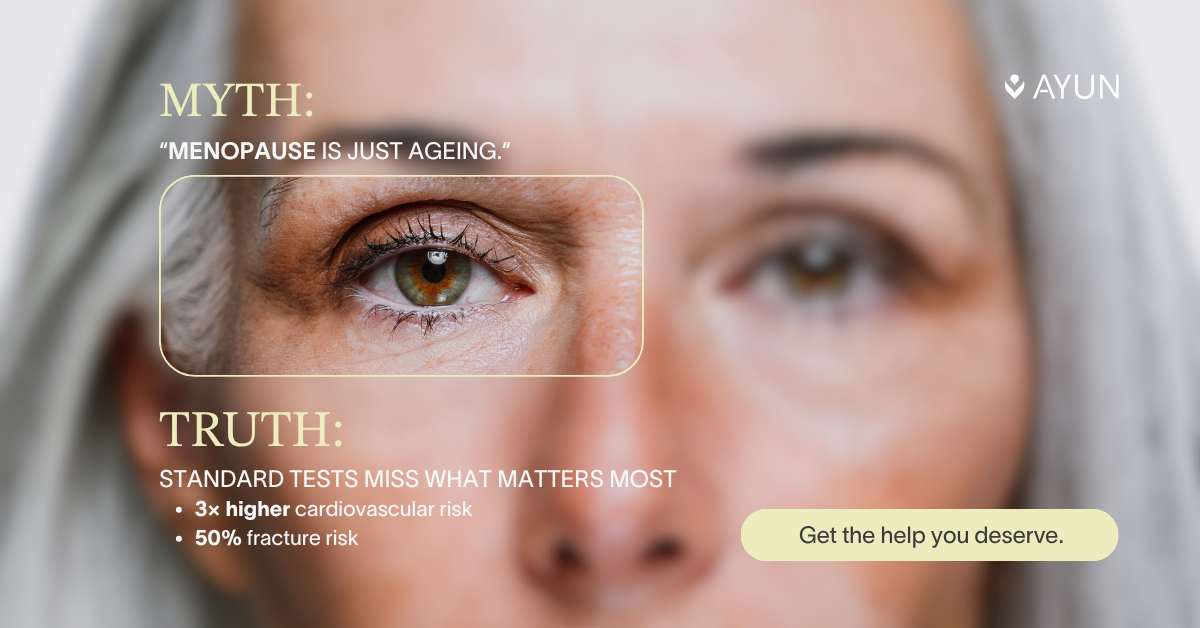
Curious to know more about the science of longevity and our innovative approach to a long and healthy life? You have come to the right spot.

More than 1,500 clients, CHF 2.7 million in revenue and a clear growth strategy: how Zurich-based AYUN is advancing personalised preventive medicine, and why private investors can now take a stake.
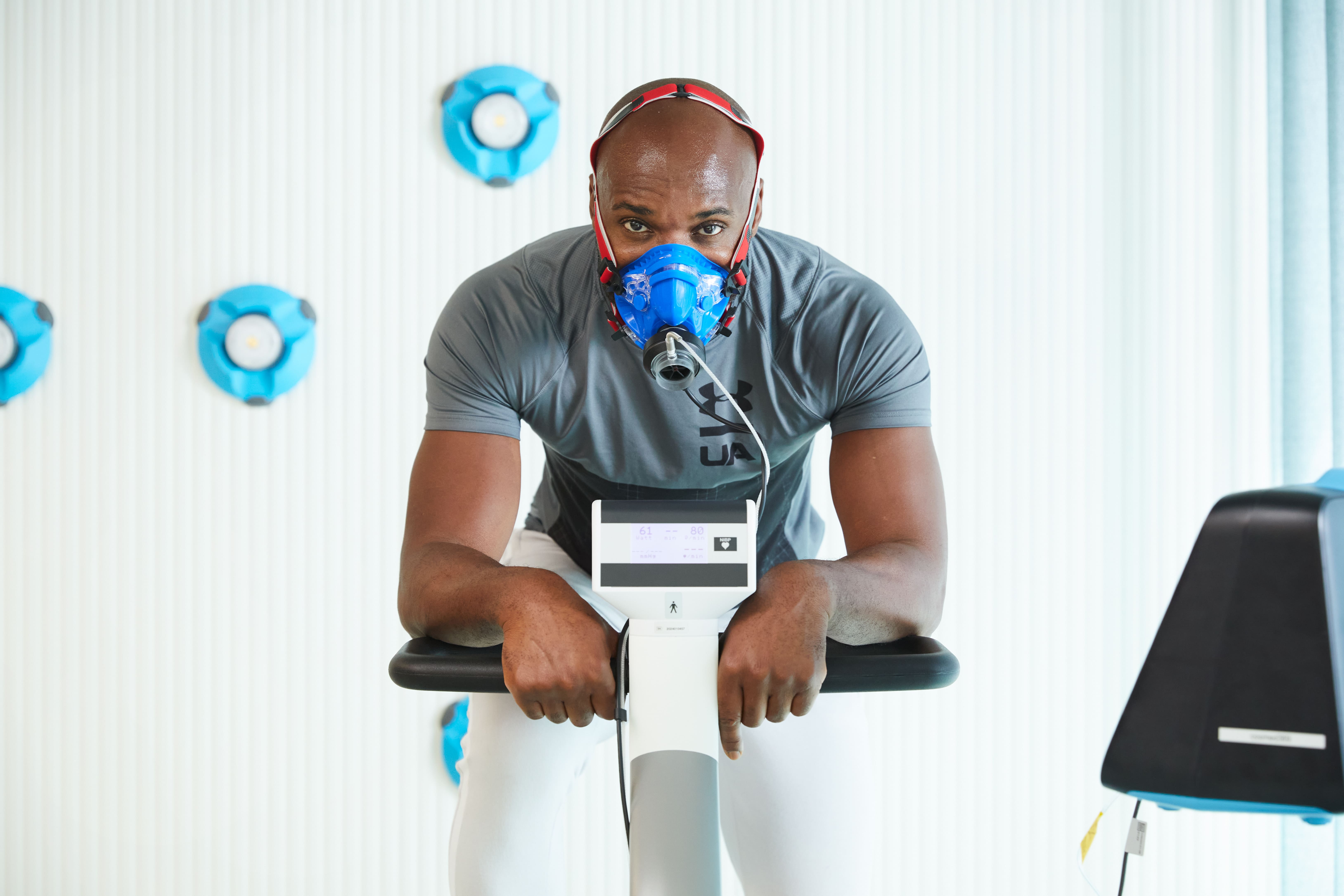
In this article, we’ll take you step by step through the Extended Longevity Check-up at AYUN. You’ll discover how we assess your health through precise measurements and comprehensive analyses, and how these insights translate into personalised recommendations for a longer, healthier life.
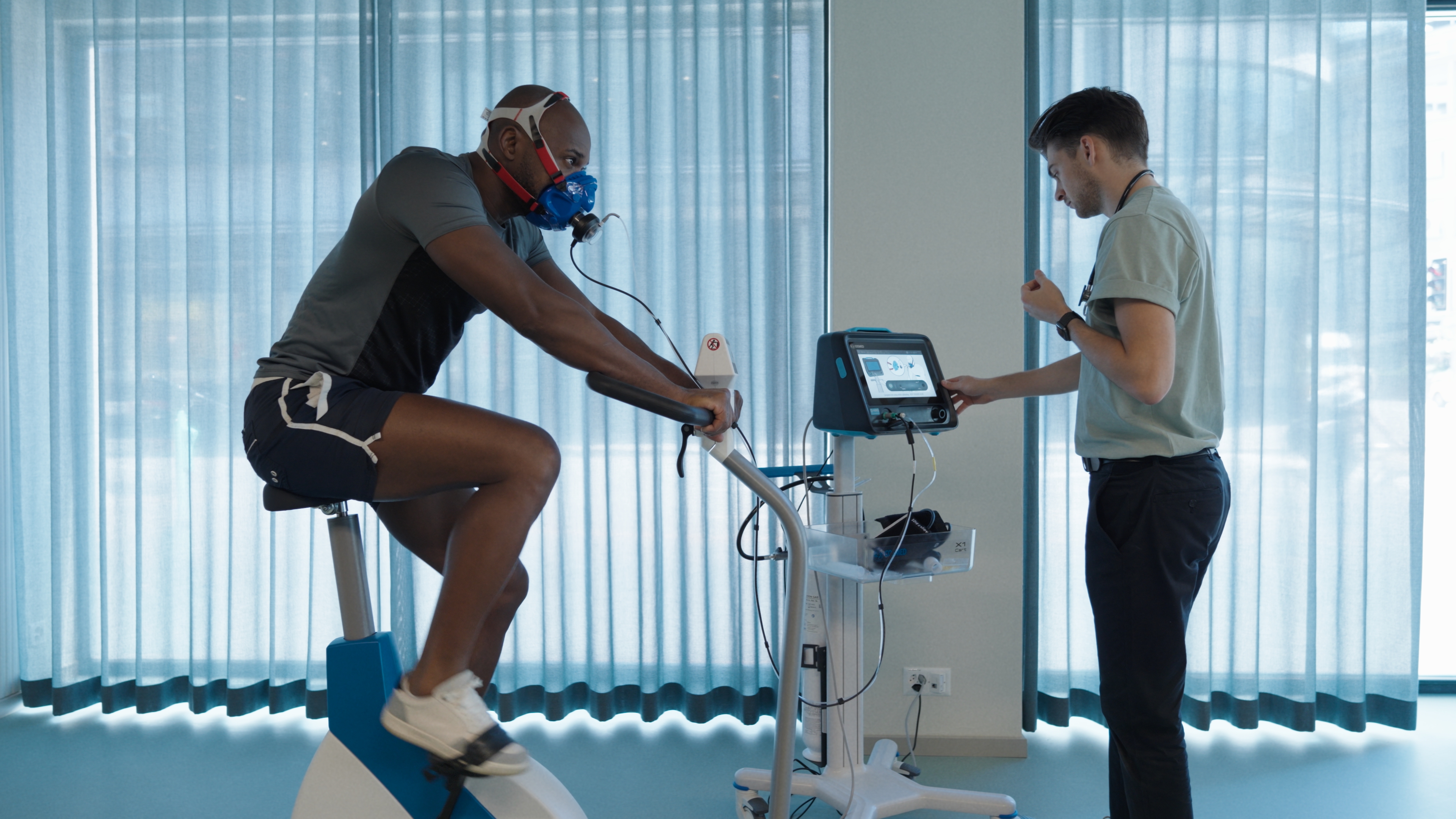
In this article, we’ll take you step by step through the Complete Longevity Check-up at AYUN. You’ll discover how we assess your health through precise measurements and comprehensive analyses, and how these insights translate into personalised recommendations for a longer, healthier life.




.svg)

