
.jpg)
The most important shift in approaching menopause treatment options is moving from a symptom-suppression model to a systems model. Night sweats are not just hot flashes, they reflect vasomotor instability driven by oestrogen fluctuation. Menopause weight gain is not a lifestyle failure, it is an insulin and metabolic signal. Brain fog is not stress,it is a neurological consequence of changing hormonal levels.Each symptom points to a biological process. And each process has interventions, hormonal, nutritional, lifestyle-based, that are more or less relevant depending on your individual picture. Perimenopause hormone therapy, menopause supplements, and metabolic strategies are not competing approaches.They are complementary layers of the same goal: giving your biology what it needs to adapt well, not just survive the transition.



The most important shift in approaching menopause treatment options is moving from a symptom-suppression model to a systems model. Night sweats are not just hot flashes, they reflect vasomotor instability driven by oestrogen fluctuation. Menopause weight gain is not a lifestyle failure, it is an insulin and metabolic signal. Brain fog is not stress,it is a neurological consequence of changing hormonal levels.
Each symptom points to a biological process. And each process has interventions, hormonal, nutritional, lifestyle-based, that are more or less relevant depending on your individual picture. Perimenopause hormone therapy, menopause supplements, and metabolic strategies are not competing approaches.
They are complementary layers of the same goal: giving your biology what it needs to adapt well, not just survive the transition.
If you have been navigating the symptoms of perimenopause, the disrupted sleep, the weight that settles differently, the brain fog, the hair changes, the next question is what you can actually do about it. The good news is that menopause treatment options have expanded considerably, and the evidence base has shifted significantly in favour of intervention.
The question is no longer whether to treat perimenopause and menopause symptoms, but how to do so based on your individual biology, your symptom profile, and your health history. This article covers the three main pillars: hormone replacement therapy, menopause supplements, and the specific strategies that work for weight management and metabolism after 50.
Hormone replacement therapy is the most effective treatment available for the core symptoms of menopause. The widespread hesitation around it stems largely from the 2002 Women’s Health Initiative trial (WHI), whose conclusions about breast cancer and cardiovascular risk have since been substantially revised. Research now shows that for healthy women under 60, or within ten years of their final period, the benefits of hormone replacement therapy, for bone density, cardiovascular protection, cognitive function, sleep, and quality of life, outweigh the risks for the majority of women.
The nuance lies in the type, route, and timing of therapy. Not all hormone replacement therapy is the same, and the differences matter clinically.
The route of oestrogen delivery significantly affects its safety profile. Oral oestrogen undergoes first-pass metabolism in the liver, increasing production of clotting factors and inflammatory markers. Transdermal oestrogen, delivered through a patch, gel, or spray, bypasses this entirely. Research shows that oral oestrogen is associated with increased venous thromboembolism risk while transdermal oestrogen is not, making transdermal the preferred route for most women, particularly those with any cardiovascular or clotting risk factors.
There is strong evidence for what is now called the ‘window of opportunity’: perimenopause hormone therapy initiated within ten years of menopause onset, or before the age of 60, is associated with cardiovascular benefit and cognitive protection. Starting later, these protective effects are attenuated or absent. Studies show that women who begin perimenopause hormone therapy in their late 40s or early 50s have meaningfully better long-term outcomes for heart, bone, and brain health than those who wait until symptoms become severe or disabling.
Women with a uterus require a progestogen alongside oestrogen to protect the uterine lining. The type matters significantly. Synthetic progestins, such as medroxyprogesterone acetate used in the original WHI trial, carry different risks to micronised progesterone, which is bioidentical and structurally identical to the body’s own progesterone. Micronised progesterone does not carry the same elevated breast cancer risk associated with synthetic progestins, and has additional benefits for sleep, mood, and anxiety, making it the preferred choice in evidence-informed prescribing.
Key point: The most important questions when discussing hormone replacement therapy are not just whether to take it, but which oestrogen, which route of delivery, and which progestogen. These distinctions have real clinical consequences.
Bioidentical hormones are structurally identical to those produced by the human body. They include oestradiol, progesterone, and testosterone, and are available in both regulated pharmaceutical forms and compounded preparations made by specialist pharmacies.
Regulated bioidentical hormones, such as transdermal oestradiol patches, gels, and sprays combined with micronised progesterone, are licensed, quality-controlled, and supported by robust clinical evidence. Body-identical hormone therapy using transdermal oestradiol and micronised progesterone carry a more favourable safety profile than older combined synthetic formulations, with lower breast cancer risk, no increase in cardiovascular events, and significant benefits for bone density and vasomotor symptoms.
Compounded bioidentical hormones — custom-made preparations outside standard pharmaceutical regulation — are a different category. While they may suit women requiring doses or combinations not available in licensed products, their quality control and evidence base are less robust. The decision to use compounded preparations should always be made with a clinician experienced in this area.
Key point: The term ‘bioidentical’ is not automatically a guarantee of safety or quality. Regulated bioidentical hormones are body-identical and clinically tested. Compounded formulations vary widely and require careful clinical oversight.
Testosterone is not just a male hormone. Women produce it throughout their lives, and its decline during perimenopause contributes to fatigue, low libido, reduced muscle maintenance, poor concentration, and low mood, symptoms frequently attributed to oestrogen alone. Testosterone therapy in perimenopausal and postmenopausal women improves sexual function, energy, mood, and cognitive performance, and that it is significantly underprescribed relative to the evidence supporting its benefits.
Testosterone in women is typically prescribed at much lower doses than in men, usually via a gel or cream applied to the skin. It is not currently licensed for women in many countries despite the evidence, which means it is often prescribed off-label, a fact that should not be confused with a lack of evidence for its use.
Key point: If fatigue, flat mood, and low motivation persist after oestrogen and progesterone are optimised, testosterone levels are worth assessing. It is frequently the missing piece in an otherwise well-managed hormone therapy plan.
Menopause supplements play a genuine supporting role. They are not a substitute for hormone therapy when that is warranted, but they address specific biological processes that hormone therapy does not fully cover and they matter for women who cannot or choose not to take hormones.
Magnesium is involved in over 300 enzymatic processes, including cortisol regulation, sleep quality, and muscle function. Deficiency is common and frequently missed on standard blood tests. Magnesium supplementation improves sleep quality, reduces anxiety and irritability, and supports bone density in perimenopausal and postmenopausal women. Magnesium glycinate or threonate is the most bioavailable for form neurological and sleep-related benefits.
Vitamin D functions more as a hormone than a vitamin, with receptors in the ovaries, uterus, muscle, bone, and immune tissue. Deficiency is extremely common in perimenopausal women and contributes to fatigue, low mood, muscle weakness, and accelerated bone loss. Studies show that optimal vitamin D levels above 75 nmol/L are associated with better muscle function, reduced fracture risk, lower inflammatory markers, and improved mood. Testing before supplementing is essential and dose requirements vary significantly between individuals.
Omega-3s, particularly EPA and DHA, have broad anti-inflammatory effects directly relevant to perimenopause: they reduce vasomotor symptom frequency, support cardiovascular health, protect cognitive function, and improve mood. EPA supplementation specifically reduces the frequency and severity of hot flashes, and that omega-3 intake is associated with reduced inflammatory markers and better lipid profiles in postmenopausal women.
Ashwagandha is one of the best-evidenced adaptogens for perimenopause. It acts primarily on the HPA axis, reducing cortisol output and improving the body’s resilience to stress. Ashwagandha supplementation in perimenopausal women significantly reduces perceived stress, anxiety, and vasomotor symptoms, and improves sleep quality and overall quality of life. These effects are particularly relevant given the role of stress dysregulation in driving perimenopause symptoms.
Creatine is rarely discussed in the context of menopause, but the evidence for it is compelling. It supports muscle protein synthesis, cognitive function, and bone density, three of the primary areas of decline during the menopause transition. Creatine supplementation in postmenopausal women, particularly combined with resistance training, produces significant improvements in lean mass, upper and lower body strength, and markers of bone health.
Key point: Magnesium, vitamin D, omega-3s, ashwagandha, and creatine have the most consistent evidence base for perimenopause and menopause specifically. No supplement protocol replaces the need to understand what your individual biology actually needs, but these five are a well-evidenced foundation.
Menopause weight gain is one of the most frustrating experiences women report during this transition. The standard advice, eat less, move more, consistently underperforms in perimenopausal and postmenopausal women, not because it is wrong in principle, but because it ignores the specific metabolic shifts that have occurred.
As oestrogen declines, insulin sensitivity decreases and the body’s ability to use glucose efficiently drops. The same carbohydrate intake that was well tolerated at 38 may drive elevated fasting insulin and fat storage at 48. Research in postmenopausal women shows that combining dietary changes with exercise produces significant improvements in insulin sensitivity — and that exercise adds measurable benefits beyond dietary change alone, particularly in women with impaired fasting glucose."
Muscle is the primary site of glucose disposal and the primary driver of resting metabolic rate. Losing it, which accelerates after menopause without deliberate intervention , slows metabolism after 50, worsens insulin resistance, and makes weight loss significantly harder. Resistance training three to four times per week combined with adequate protein intake of 1.6 to 2.0g per kilogram of body weight is the most effective strategy for preserving lean mass, improving insulin sensitivity, and supporting body composition in postmenopausal women.
Metabolism after 50 is more sensitive to when you eat, not just what you eat. Time-restricted eating, consolidating food intake to an 8 to 10 hour window, supports insulin sensitivity, reduces overnight cortisol, and aligns eating patterns with circadian biology. Studies show that time-restricted eating in perimenopausal and postmenopausal women improves fasting insulin, and supports weight loss in menopause making it one of the most accessible tools in the metabolic toolkit.
Poor sleep, which is endemic in perimenopause, directly impairs insulin sensitivity, elevates cortisol, increases appetite-stimulating hormones, and makes fat loss physiologically harder. Treating sleep disruption, whether through hormone therapy, magnesium, sleep hygiene, or a combination, is not a lifestyle nicety. It is a metabolic intervention with direct consequences for body composition and metabolism after 50.
Key point: Weight loss in menopause is not primarily a calorie problem. It is a hormonal and metabolic one. The women who see the best results address insulin sensitivity, muscle mass, sleep, and stress as the essential foundation, not as optional extras alongside dietary changes.
Curious to know more about the science of longevity and our innovative approach to a long and healthy life? You have come to the right spot.

More than 1,500 clients, CHF 2.7 million in revenue and a clear growth strategy: how Zurich-based AYUN is advancing personalised preventive medicine, and why private investors can now take a stake.

In this article, we’ll take you step by step through the Extended Longevity Check-up at AYUN. You’ll discover how we assess your health through precise measurements and comprehensive analyses, and how these insights translate into personalised recommendations for a longer, healthier life.
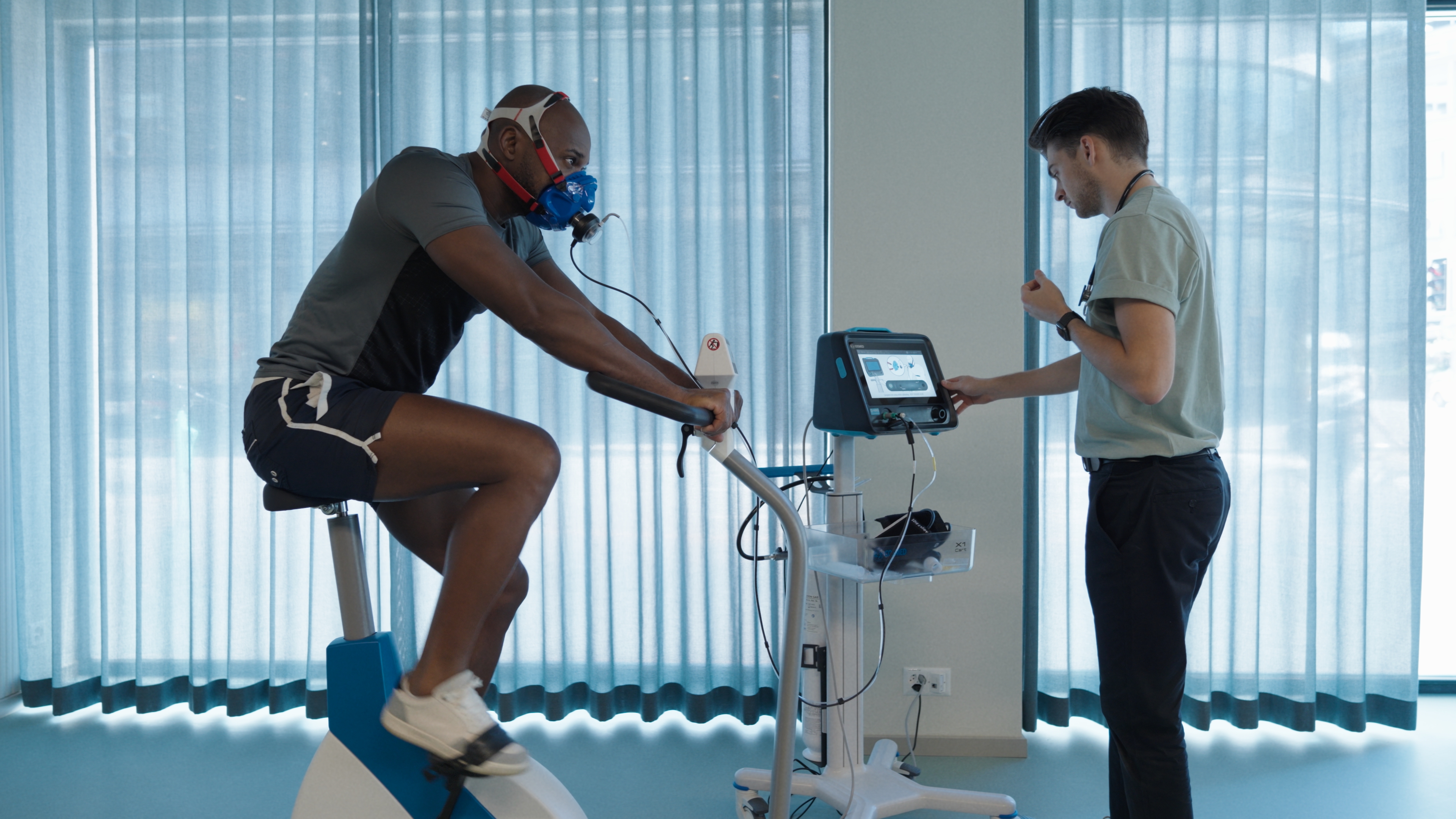
In this article, we’ll take you step by step through the Complete Longevity Check-up at AYUN. You’ll discover how we assess your health through precise measurements and comprehensive analyses, and how these insights translate into personalised recommendations for a longer, healthier life.




.svg)

