

Your body may be sending signals. Here is how to read them.She trains consistently, eats well, takes her prenatal vitamins, and tracks her cycle carefully. Her blood work came back normal. And yet, month after month, nothing happens.If this sounds familiar, you are not alone and you are not broken. But you may be missing something that standard testing was never designed to catch.Most fertility investigations are built to detect disease: blocked tubes, absent ovulation, hormonal failure. What they rarely examine are the subtler biological processes that shape whether conception happens at all the quality of ovulation, the environment the embryo arrives into, the way your body processes nutrients, manages stress, or regulates inflammation. These are not fertility problems in the clinical sense. They are biological signals.



Your body may be sending signals. Here is how to read them.
She trains consistently, eats well, takes her prenatal vitamins, and tracks her cycle carefully. Her blood work came back normal. And yet, month after month, nothing happens.
If this sounds familiar, you are not alone and you are not broken. But you may be missing something that standard testing was never designed to catch.
Most fertility investigations are built to detect disease: blocked tubes, absent ovulation, hormonal failure. What they rarely examine are the subtler biological processes that shape whether conception happens at all the quality of ovulation, the environment the embryo arrives into, the way your body processes nutrients, manages stress, or regulates inflammation. These are not fertility problems in the clinical sense. They are biological signals.
After a regular cycle or a positive LH strip, most women assume they are ovulating. But ovulation exists on a spectrum of quality, not just presence or absence.
A cycle can look completely normal while the hormonal environment that follows ovulation, particularly progesterone production in the luteal phase, falls short. Progesterone is what prepares the uterine lining for implantation and sustains early pregnancy. Research shows that when progesterone output is insufficient, conception may fail not at fertilisation but at implantation, a pattern known as luteal phase defect, and a poorly understood pattern that may go undetected in standard fertility workups.
• A short luteal phase. Fewer than 10 days between ovulation and the start of your next period is clinically significant.
• Spotting before your period. Light bleeding two to three days before full flow can indicate progesterone is dropping too early.
• PMS that has worsened over time. Increasing irritability or low mood in the second half of your cycle can reflect declining progesterone output.
What this can mean: These patterns do not mean something is definitely wrong. But they signal that a biological process, progesterone production, hypothalamic signalling, or ovarian response, may need support.
When ovulation is confirmed and timing is right, but conception still does not happen, the answer is usually found not in the reproductive system itself, but in the broader biological environment in which it has to function.
Methylation is one of the body’s most fundamental biochemical processes, influencing DNA repair, gene expression, hormone metabolism, and the earliest stages of embryo formation. When methylation is impaired, often due to genetic variations like MTHFR or deficiencies in folate, B12, or choline, elevated homocysteine can result, which is consistently linked to implantation failure and recurrent pregnancy loss.
What this can mean: A history of early miscarriage or failed implantation, even without a diagnosis, is a reason to look more closely at methylation pathways as a process that may need nutritional support.
Chronic low-grade inflammation, driven by diet, gut health, or conditions like endometriosis, can interfere with conception at multiple levels. Endometriosis affects roughly one in ten women of reproductive age, takes an average of six to twelve years to diagnose, and can be present without severe pain while creating an inflammatory environment that impairs the conditions needed for conception.
Gut health is equally underappreciated. The gut microbiome directly influences oestrogen metabolism and systemic inflammation, both of which shape the hormonal environment needed for conception, without producing symptoms that would prompt investigation.
What this can mean: Unexplained fatigue, irregular digestion, painful periods, or a history of autoimmune conditions alongside difficulty conceiving are all reasons to look deeper at inflammatory load.
Oxidative stress directly affects egg quality, sperm DNA integrity, and the embryo’s ability to implant. Unlike sperm, eggs have been present since before birth and accumulate oxidative damage over time. Antioxidant status, nutrients like CoQ10, vitamin C, zinc, and selenium matter specifically in the months before conception, not just during pregnancy.
What this can mean: Sperm take approximately 74 days to mature, and oocyte maturation takes ~90 days. The antioxidant environment both partners are living in three months before conception is directly shaping the biological material that will form the embryo.
When the stress response is chronically activated, the hypothalamus deprioritises reproductive signalling. Cortisol competes with progesterone at receptor level, and some women carry genetic variations making their stress response more reactive, meaning the same life demands produce stronger cortisol output and a more significant downstream effect on hormonal balance. This is not a personality trait. It is a biological one.
What this can mean: Disrupted sleep, waking in the early hours, or a resting heart rate that has crept upward are signs the autonomic nervous system is under sustained load, with direct hormonal consequences rarely discussed in a standard fertility consultation.
Deficiencies in key preconception nutrients are surprisingly common even in women who eat well, because absorption is shaped by individual genetic variations. Studies show vitamin D receptors are present in the ovaries, uterus, and placenta, and deficiency is linked to implantation failure and preterm birth, yet blood levels in two women eating identically can vary dramatically based on genetics and lifestyle.
What this can mean: A generic prenatal supplement protocol is a starting point, not a solution, if the underlying metabolic processes that determine how you absorb and use these nutrients have not been assessed.
Having a period does not confirm ovulation. Anovulatory cycles are more common than most women realise, particularly during periods of high stress, significant weight change, or disrupted sleep. The most reliable picture comes from combining three methods.
• LH test strips detect the surge preceding ovulation by 24 to 36 hours. A positive confirms ovulation is imminent but not that the egg was released.
• Basal body temperature (BBT) a sustained rise of 0.2–0.3°C after ovulation confirms it has occurred, taken at the same time each morning before getting up.
• Cervical mucus the transition to clear, stretchy, egg-white-like mucus signals the fertile window is open. Completely free, no equipment required, and deeply underused.
Three months of combined tracking will reveal patterns that no single test can, and gives any practitioner you work with far more to go on than a one-day hormone panel.
Difficulty conceiving, or the sense that something is subtly off even when tests come back normal, is rarely random. It is usually the cumulative signal of several biological processes, each slightly out of optimal range: methylation under strain, inflammation quietly elevated, nutrient metabolism shaped by a genetic variant, the stress response running hotter than it should.
None of these are diagnoses. They are patterns. And patterns, unlike diagnoses, can be understood and addressed before they affect a pregnancy.
Your body is not failing you. It is giving you information. The next step is learning how to read it.

Curious to know more about the science of longevity and our innovative approach to a long and healthy life? You have come to the right spot.

More than 1,500 clients, CHF 2.7 million in revenue and a clear growth strategy: how Zurich-based AYUN is advancing personalised preventive medicine, and why private investors can now take a stake.

In this article, we’ll take you step by step through the Extended Longevity Check-up at AYUN. You’ll discover how we assess your health through precise measurements and comprehensive analyses, and how these insights translate into personalised recommendations for a longer, healthier life.
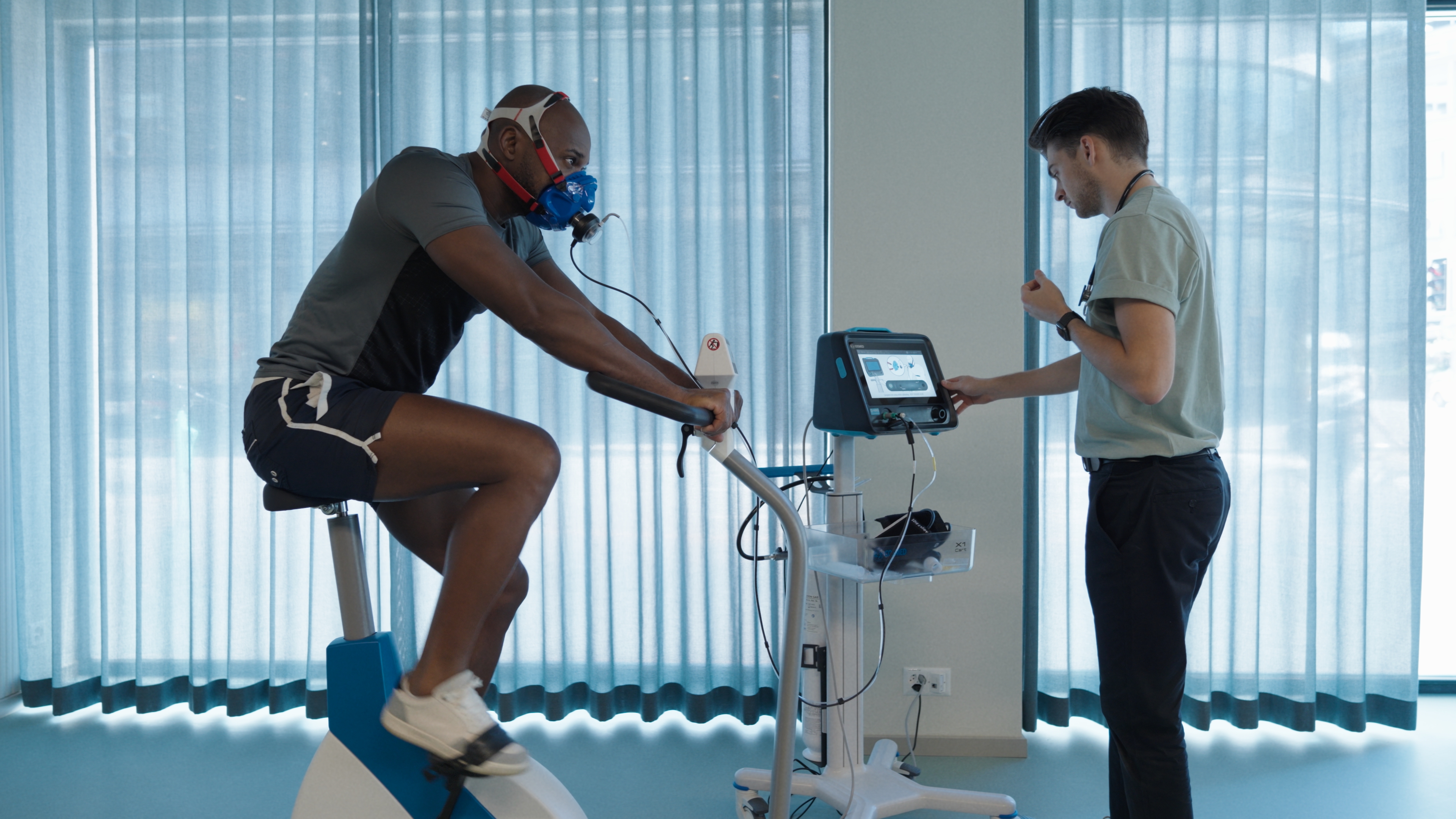
In this article, we’ll take you step by step through the Complete Longevity Check-up at AYUN. You’ll discover how we assess your health through precise measurements and comprehensive analyses, and how these insights translate into personalised recommendations for a longer, healthier life.




.svg)

