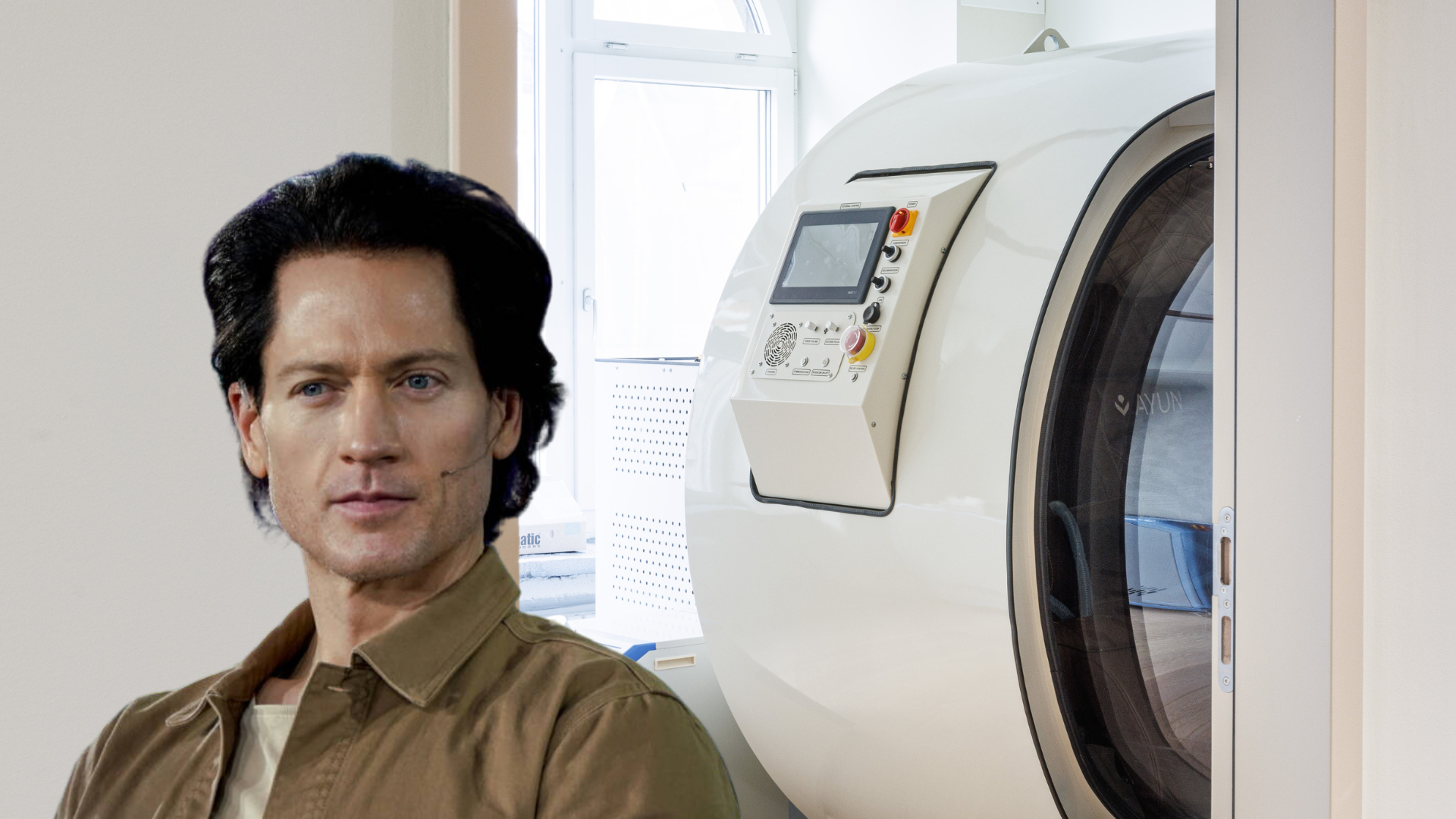
Bryan Johnson swears by Hyperbaric Oxygen Therapy (HBOT) for longevity, performance, and recovery — but is it only for the ultra-rich? At AYUN, we believe in making powerful, science-based treatments like HBOT accessible, practical, and personalized. Discover how we integrate HBOT into real-life health strategies and why it might be the most underrated tool in proactive medicine. Ready to explore the benefits of HBOT? Book your consultation

More than 1,500 clients, CHF 2.7 million in revenue and a clear growth strategy: how Zurich-based AYUN is advancing personalised preventive medicine, and why private investors can now take a stake.

In this article, we’ll take you step by step through the Extended Longevity Check-up at AYUN. You’ll discover how we assess your health through precise measurements and comprehensive analyses, and how these insights translate into personalised recommendations for a longer, healthier life.
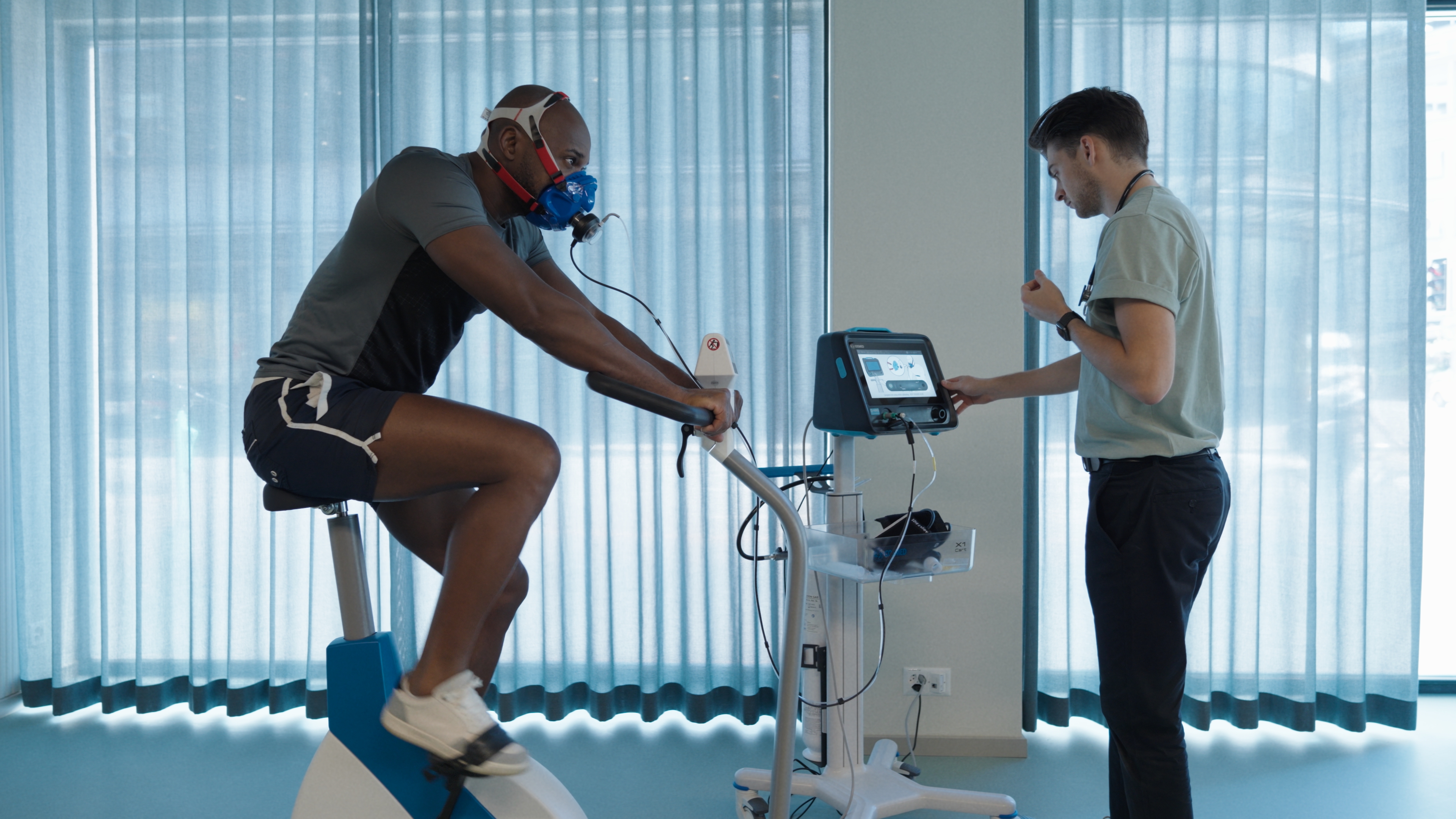
In this article, we’ll take you step by step through the Complete Longevity Check-up at AYUN. You’ll discover how we assess your health through precise measurements and comprehensive analyses, and how these insights translate into personalised recommendations for a longer, healthier life.
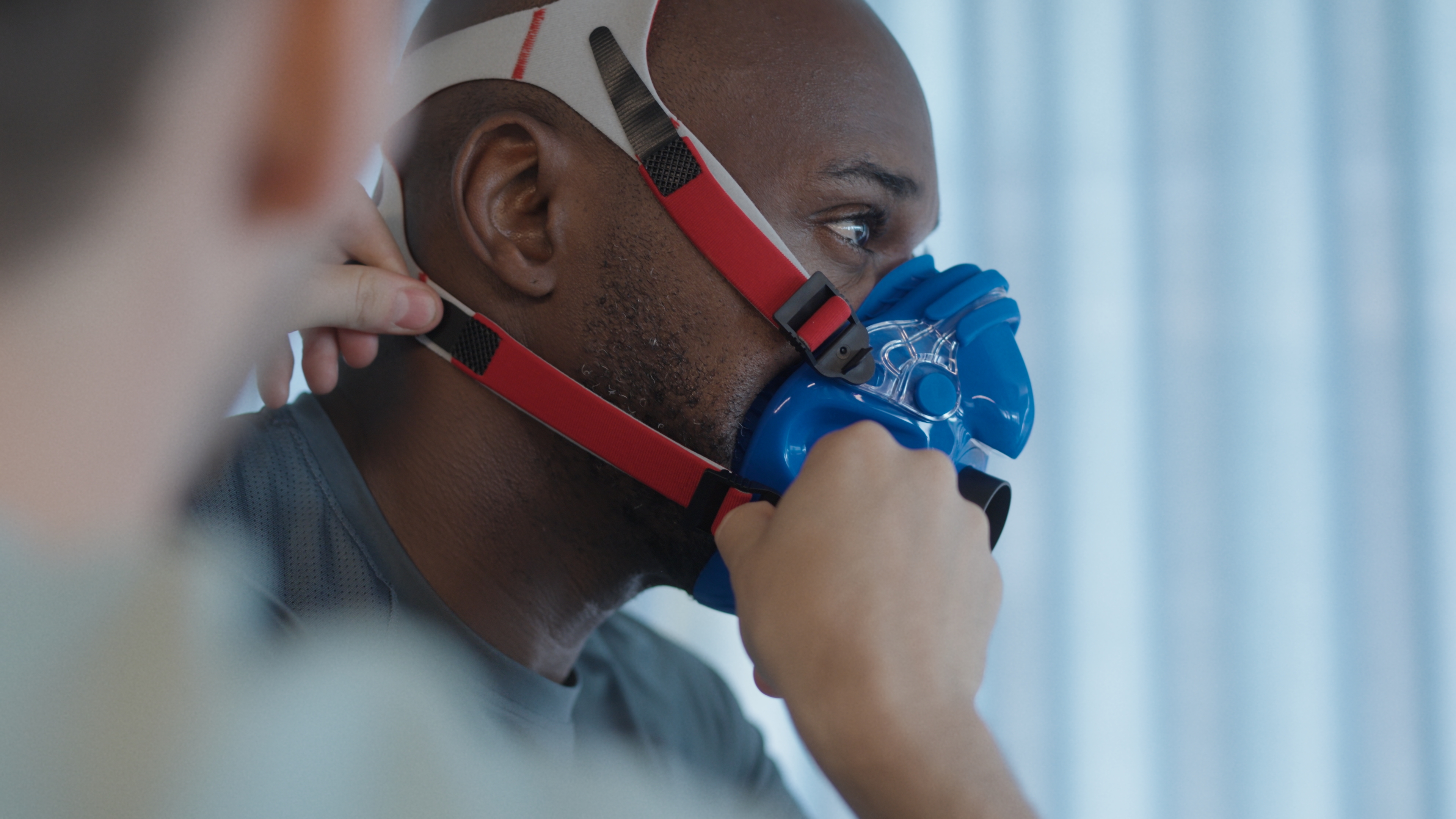
In this article, we’ll take you step by step through the Essential Longevity Check-up at AYUN. You’ll discover how we assess your health through precise measurements and comprehensive analyses, and how these insights translate into personalised recommendations for a longer, healthier life.
.jpg)
You are 44 years old. Sharp, organised, high-functioning. But lately you cannot find the word you are looking for mid-sentence. You wake at 3am and lie there for an hour. You are eating the same way you always have, but your waist is changing. Your hair is coming out in the shower. You feel like yourself but not quite yourself. Your GP ran blood work and said everything looks normal.What you may be experiencing are the early signs of perimenopause and they are some of the most commonly searched and least explained symptoms in women’s health. Brain fog, hormonal hair loss, night sweats, weight gain that does not respond to diet: these are not random. They are biological signals, each one pointing to a specific process that is shifting in your body. Understanding what is behind each symptom changes everything about what you can do about it.
.jpg)
You eat well, stay active, and still your body begins to change. Your cycle becomes irregular, your period may disappear, or your weight increases despite doing everything “right.” Many women experience this combination without a clear explanation for a long time. Often, the cause is not lifestyle alone, but a deeper hormonal imbalance, such as PCOS.
.jpg)
You eat well, exercise regularly, and still your body seems to be changing in ways that are hard to explain. The scale barely moves or even goes up, despite your efforts. At the same time, your cycle becomes irregular or your period stops altogether. Many women first assume stress or diet is to blame. But often, there is an underlying hormonal cause, such as PCOS.
.jpg)
Many women experience cramps when their period begins. A pulling sensation in the lower abdomen, pressure in the pelvis, or pain that radiates into the lower back can occur during menstruation.For some women this discomfort lasts only a few hours. For others it can continue for several days and may even interfere with work, exercise, or sleep.This raises an important question many women ask themselves:Are painful periods normal?
.jpg)
The most important shift in approaching menopause treatment options is moving from a symptom-suppression model to a systems model. Night sweats are not just hot flashes, they reflect vasomotor instability driven by oestrogen fluctuation. Menopause weight gain is not a lifestyle failure, it is an insulin and metabolic signal. Brain fog is not stress,it is a neurological consequence of changing hormonal levels.Each symptom points to a biological process. And each process has interventions, hormonal, nutritional, lifestyle-based, that are more or less relevant depending on your individual picture. Perimenopause hormone therapy, menopause supplements, and metabolic strategies are not competing approaches.They are complementary layers of the same goal: giving your biology what it needs to adapt well, not just survive the transition.




.svg)

